Preparing Your Commercial or Agricultural HVAC System for Colorado’s Colder Months
Colorado weather rarely gives businesses and agricultural operations much time to ease into winter. A warm September afternoon can quickly turn into a freezing night, and once temperatures begin dropping consistently, heating systems across the state start working overtime.

For commercial property owners, farmers, ranchers, processors, and facility managers, early fall is an ideal time to prepare HVAC equipment for colder weather. Fall HVAC maintenance can uncover problems before the first major freeze, improve system performance, and reduce the risk of an unexpected heating failure during the busiest part of winter.
At Twenty Below Refrigeration, we provide commercial HVAC and agricultural HVAC services throughout Eastern Colorado and Northern Colorado, including maintenance, diagnostics, repairs, and installation. Here are some of the most important things businesses and agricultural operations should consider as heating season approaches.
Why Fall HVAC Maintenance Matters in Colorado
Heating equipment may sit unused or operate very little throughout the warmer months. Turning it on for the first time when temperatures suddenly drop is not the ideal way to discover that something has gone wrong.
A professional commercial HVAC inspection gives technicians an opportunity to evaluate the system before it is placed under a heavy winter workload.
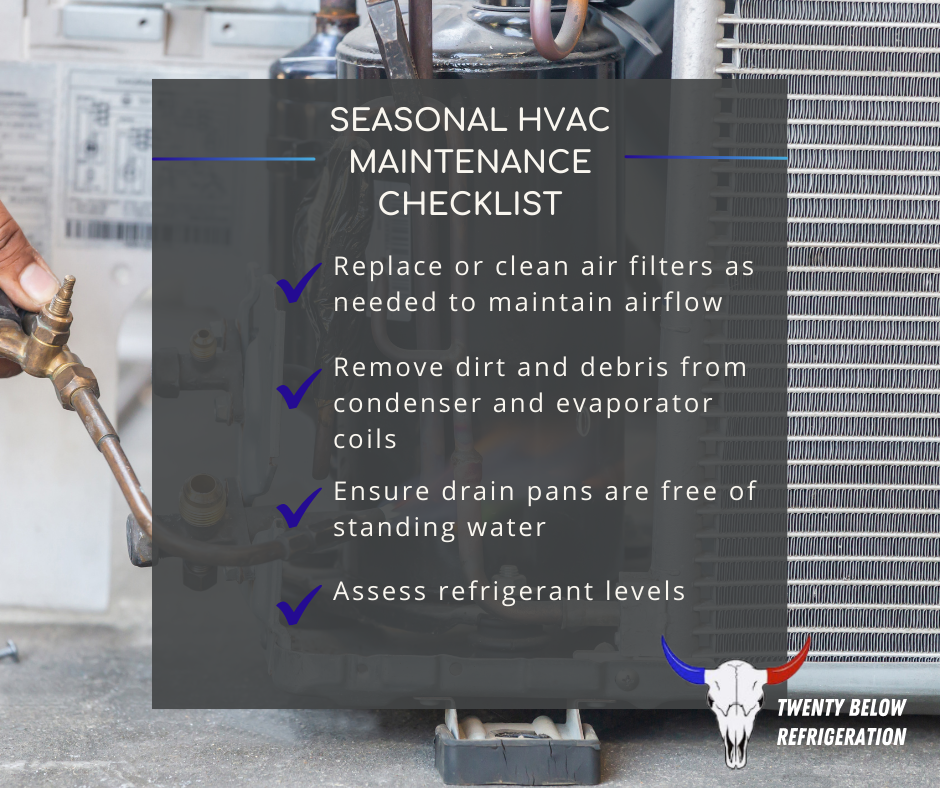
Depending on the equipment, fall HVAC maintenance may include checking electrical components, inspecting heating elements or burners, evaluating airflow, testing thermostats and controls, replacing or inspecting filters, and looking for worn components.
The goal isn't simply to make sure the heat turns on. It's to determine whether the entire system is operating properly before you depend on it every day.
Commercial Heating Systems Need Seasonal Attention
Commercial buildings present HVAC challenges that can be very different from residential properties.
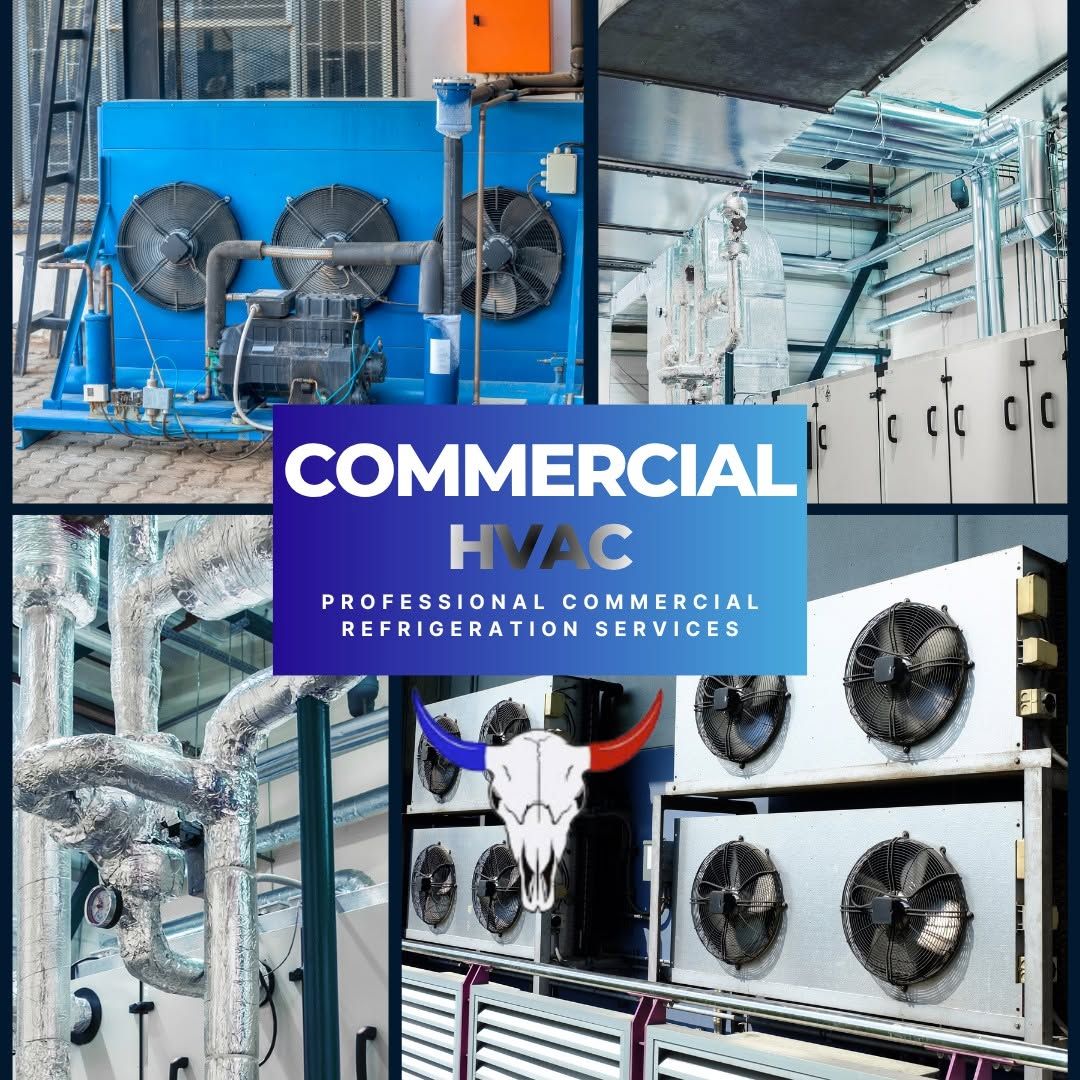
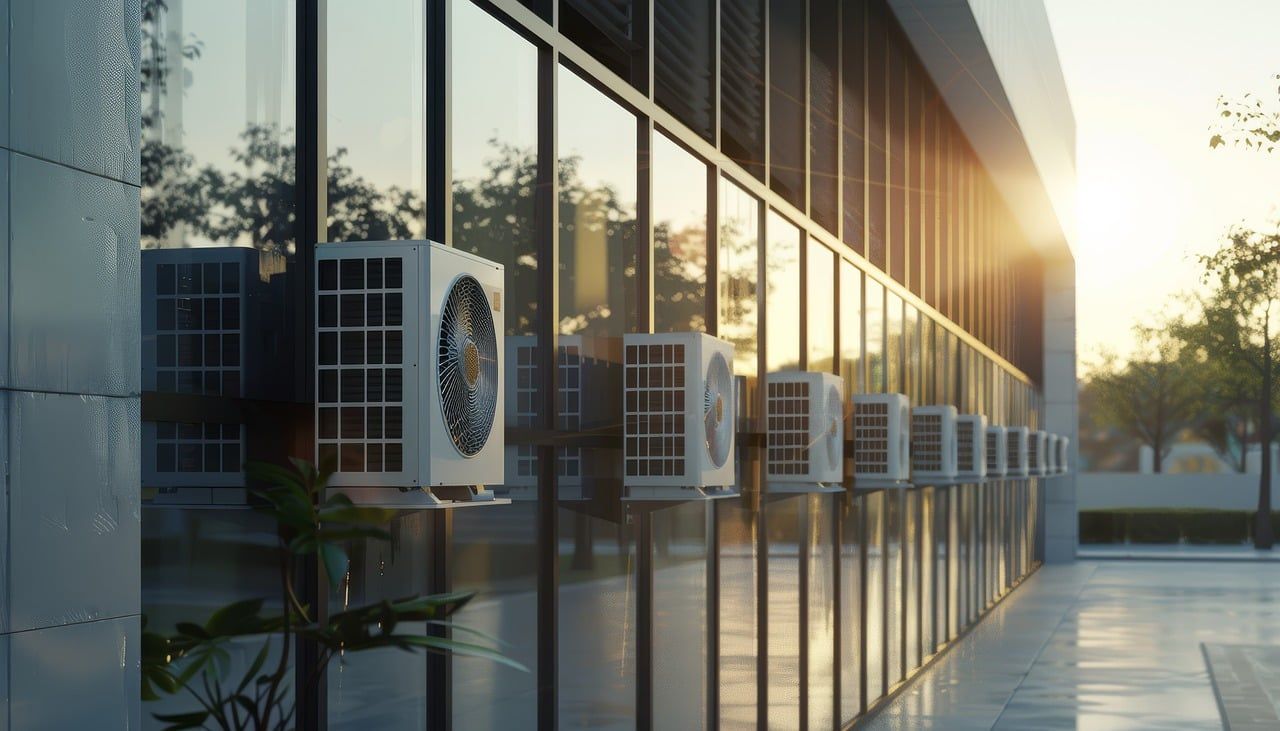
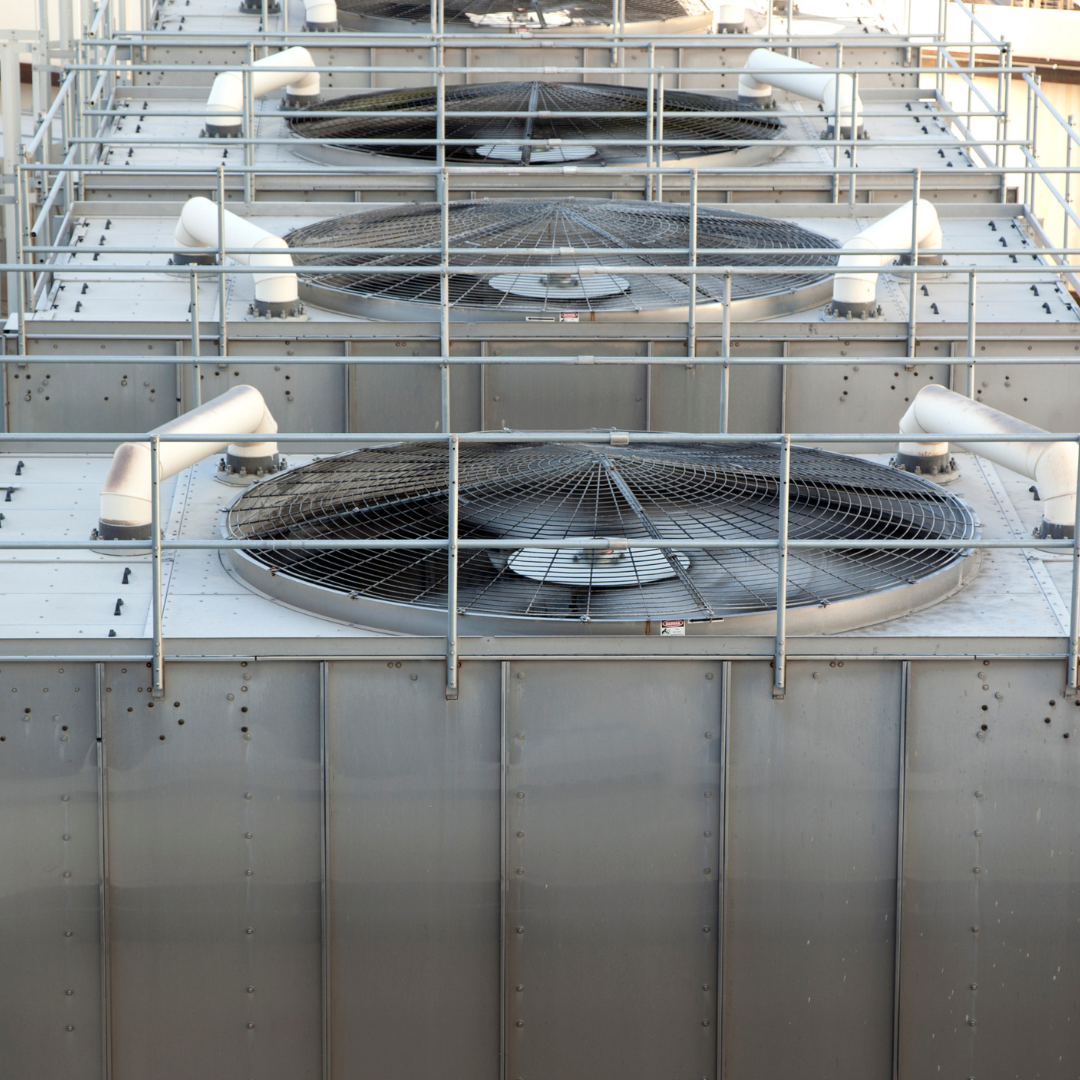
Restaurants, grocery stores, warehouses, offices, retail businesses, processing facilities, and other commercial properties may have larger equipment, multiple heating zones, rooftop units, refrigeration systems, and specialized controls.
A problem affecting one component can impact comfort, energy consumption, productivity, or even other equipment within the facility.
For example, restricted airflow can cause a commercial heating system to work harder to maintain the desired temperature. A faulty thermostat or sensor may result in unnecessary cycling. Electrical problems that appear minor during mild weather can become much more noticeable once equipment begins running for extended periods.
Scheduling commercial HVAC maintenance in Colorado before colder weather arrives provides time to identify these issues and determine the appropriate repair.
Agricultural HVAC Has Its Own Challenges
Heating and ventilation are equally important in agricultural environments.
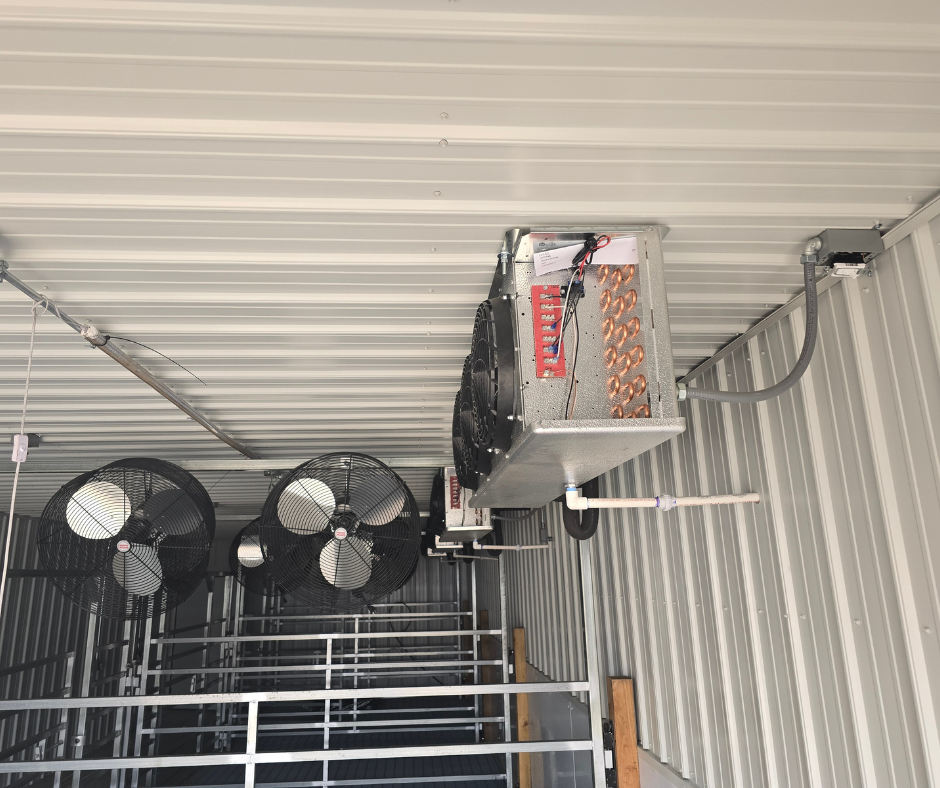
Barns, livestock facilities, farm shops, processing areas, dairy operations, and other agricultural buildings can place unique demands on HVAC equipment. Dust, dirt, moisture, temperature swings, and long operating hours can all affect system performance.
Proper agricultural HVAC maintenance isn't only about keeping a building warm. Ventilation and airflow can remain important even during cold weather.
Closing a building tightly to preserve heat can sometimes reduce ventilation more than intended. In livestock environments especially, maintaining appropriate airflow helps manage humidity and indoor conditions.
The right balance depends on the facility, livestock, equipment, and operation, which is why agricultural heating and ventilation should be evaluated based on the actual needs of the property rather than treated like a typical commercial building.
Don't Forget Filters and Airflow
One of the simplest parts of HVAC maintenance is also one of the easiest to overlook.
Filters that become heavily loaded with dust and debris can restrict airflow. In agricultural and industrial environments, filters may require attention more frequently because equipment is exposed to significantly more airborne material.
Restricted airflow can make heating equipment work harder and may affect comfort and system performance.
Before heating season begins, check filters and make sure supply vents, returns, outdoor equipment, and other airflow areas aren't blocked by stored materials, vegetation, dirt, or debris.
Professional HVAC preventative maintenance can take the inspection further by evaluating components that aren't easily checked during routine facility maintenance.
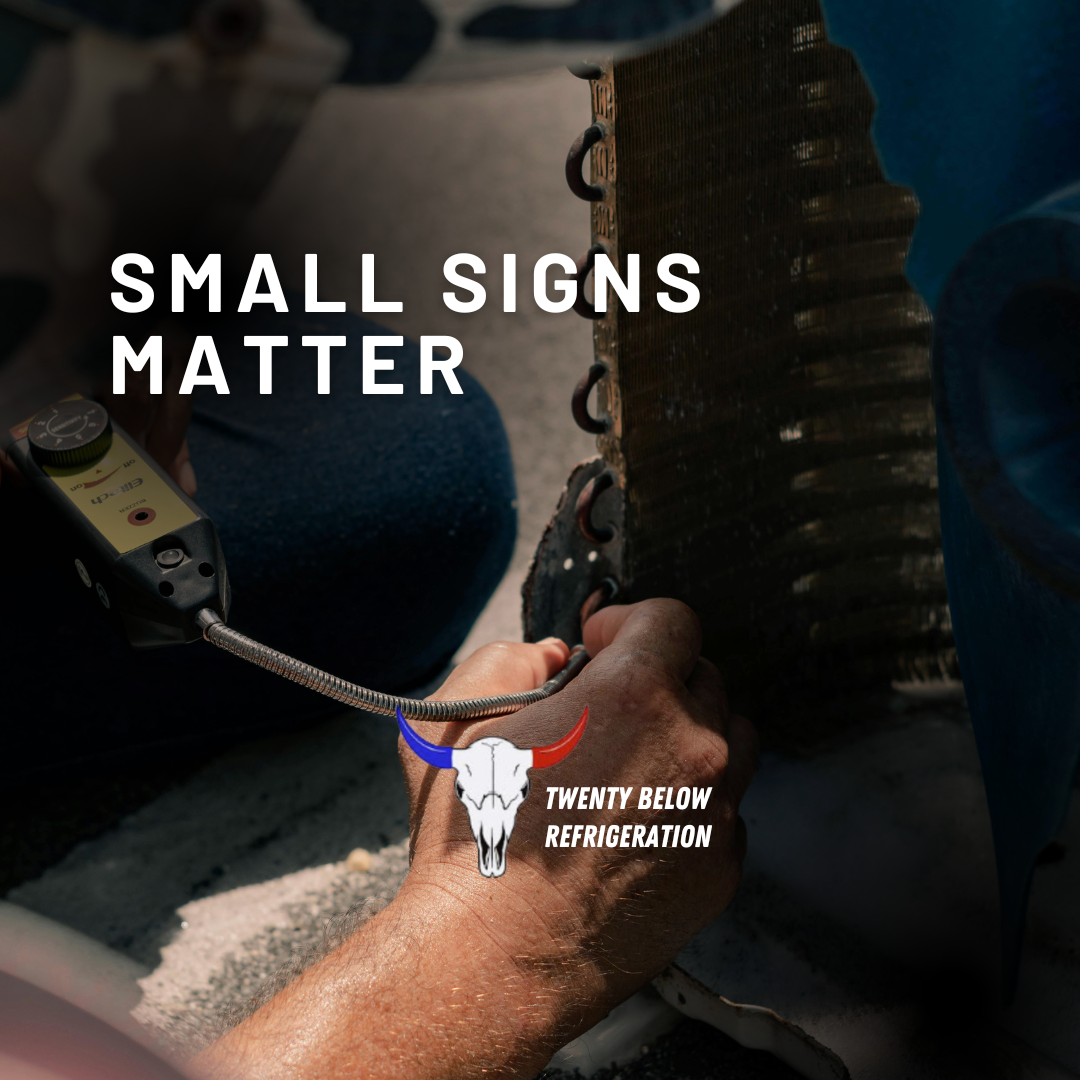
Pay Attention to What Your Equipment Is Telling You
HVAC equipment doesn't always fail without warning.
There are often small signs that something isn't operating normally.
Unusual noises, longer run times, inconsistent temperatures, frequent cycling, unexplained increases in energy use, unusual odors, or difficulty reaching the thermostat setting can all warrant a closer look.
If something seems different from last heating season, don't wait until winter to see whether it gets worse.
Professional HVAC diagnostics and repair can identify the cause of a performance issue and help determine whether a repair, adjustment, or equipment replacement should be considered.
Repair or Replace?
Older commercial and agricultural HVAC equipment eventually reaches a point where another repair may not be the most practical investment.
That doesn't mean every aging system needs immediate replacement.
Factors such as equipment age, repair history, efficiency, availability of replacement parts, operating costs, and the needs of the facility should all be considered.
If your heating system required repeated repairs last winter, struggled to maintain temperature, or has known problems, fall provides an opportunity to evaluate your options before an emergency forces the decision.
Twenty Below provides both HVAC repair and HVAC installation services, allowing our customers to understand their options and choose what makes sense for their operation.
Refrigeration Still Matters When Temperatures Drop
Heating may become the priority as winter approaches, but commercial refrigeration maintenance remains important year-round.
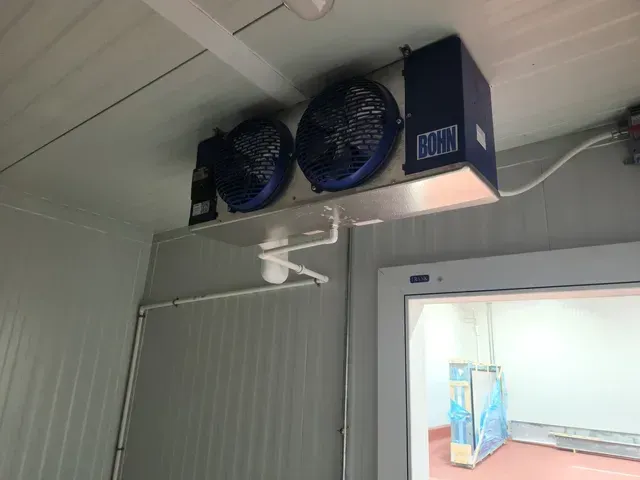
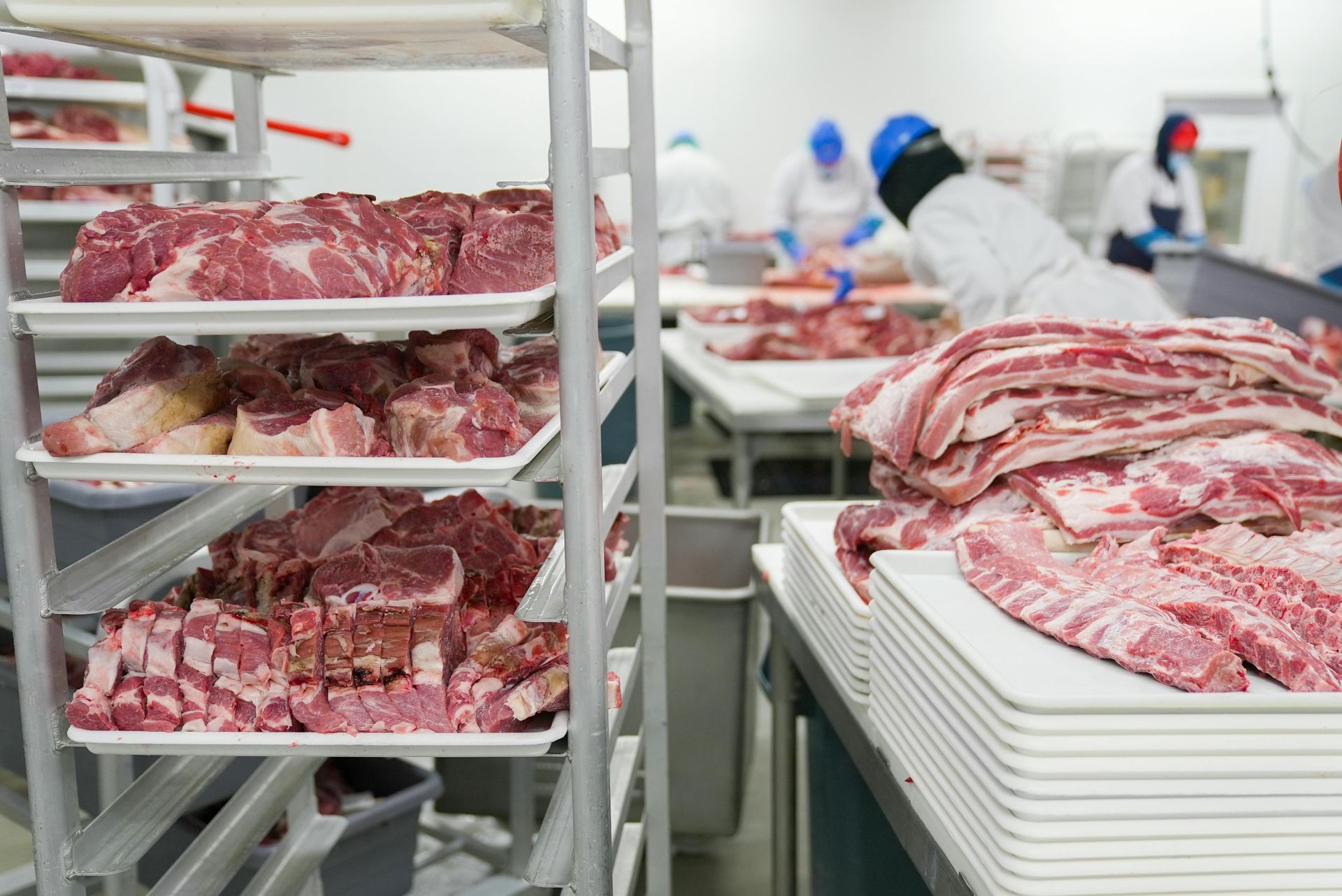
Walk-in coolers, freezers, dairy cooling systems, cold storage equipment, steer coolers, and meat processing refrigeration don't stop working because outdoor temperatures have dropped.
Refrigeration systems should continue receiving routine inspections and maintenance throughout fall and winter. Temperature inconsistencies, frost buildup, unusual cycling, damaged seals, dirty components, or other changes in performance shouldn't be ignored.
For grocery stores, restaurants, processors, dairies, and other businesses handling temperature-sensitive products, dependable refrigeration is essential in every season.
Schedule Before the First Freeze
One of the biggest advantages of planning fall HVAC maintenance early is simply having time.
Waiting until the first major cold snap means discovering problems at the same time many other businesses and property owners are discovering theirs.
Preparing earlier gives you an opportunity to schedule maintenance, complete necessary repairs, order parts if needed, and discuss replacement options without the urgency of a building that suddenly has no heat.
For businesses and agricultural operations across Eastern Colorado and Northern Colorado, September and early fall are excellent times to begin thinking about winter HVAC needs.
Commercial and Agricultural HVAC Service from Twenty Below
Twenty Below Refrigeration understands that HVAC and refrigeration equipment isn't just about comfort for many of our customers. It's part of keeping a business productive, livestock facilities operating, products protected, and employees working in appropriate conditions.
We provide commercial HVAC, agricultural HVAC, commercial refrigeration, preventative maintenance, diagnostics, HVAC repair, and equipment installation for operations throughout Eastern Colorado and Northern Colorado.
Whether you need seasonal maintenance, have an existing problem you'd like diagnosed, or are considering replacing aging equipment, our team is ready to help you prepare for the colder months ahead.
Don't wait for the first Colorado freeze to find out whether your heating system is ready.
Call Twenty Below Refrigeration at 303-304-8630 or visit www.twentybelowzero.com to schedule commercial or agricultural HVAC service.