Commercial Refrigeration Maintenance for Colorado Businesses
Why Commercial Refrigeration Maintenance Matters for Colorado Businesses and Agricultural Operations
Commercial refrigeration is one of those systems most business owners do not think about until something goes wrong. When it is working, it quietly protects inventory, supports food safety, keeps products at the right temperature, and allows day-to-day operations to keep moving. When it fails, the impact can be immediate and expensive.
For grocery stores, restaurants, meat processors, dairy farms, agricultural operations, and commercial facilities across Eastern Colorado and Northern Colorado, reliable refrigeration is not optional. It is a critical part of doing business. That is why regular commercial refrigeration maintenance is one of the smartest investments a business or farm can make.
At Twenty Below, we understand how important dependable cooling is for local operations. From walk-in coolers and freezers to cold storage tanks, processing facility refrigeration, and agricultural cooling systems, routine maintenance helps protect equipment, reduce downtime, and improve overall performance.
Commercial Refrigeration Works Hard Every Day
Unlike some equipment that runs only during certain hours or seasons, commercial refrigeration often runs around the clock. Coolers, freezers, cold storage systems, and processing equipment have to maintain consistent temperatures day and night. That constant demand creates wear over time.
Dust, debris, worn door gaskets, dirty coils, airflow restrictions, refrigerant issues, electrical wear, and control problems can all affect system performance. These issues may start small, but they can quickly grow into larger problems if they are ignored.
For a restaurant, a refrigeration issue can mean spoiled food and lost revenue. For a grocery store, it can affect product displays, storage rooms, and customer confidence. For a meat processing plant, consistent cooling is tied directly to product quality and food safety. For a dairy farm, a cold storage tank must perform reliably to help protect milk quality from the moment it leaves the parlor.
Regular refrigeration maintenance helps identify these issues before they become emergencies.
Preventative Maintenance Helps Reduce Downtime
Unexpected downtime is one of the biggest concerns for any business that depends on refrigeration. A failed system can interrupt production, delay orders, damage inventory, and create unnecessary stress for owners, managers, and employees.
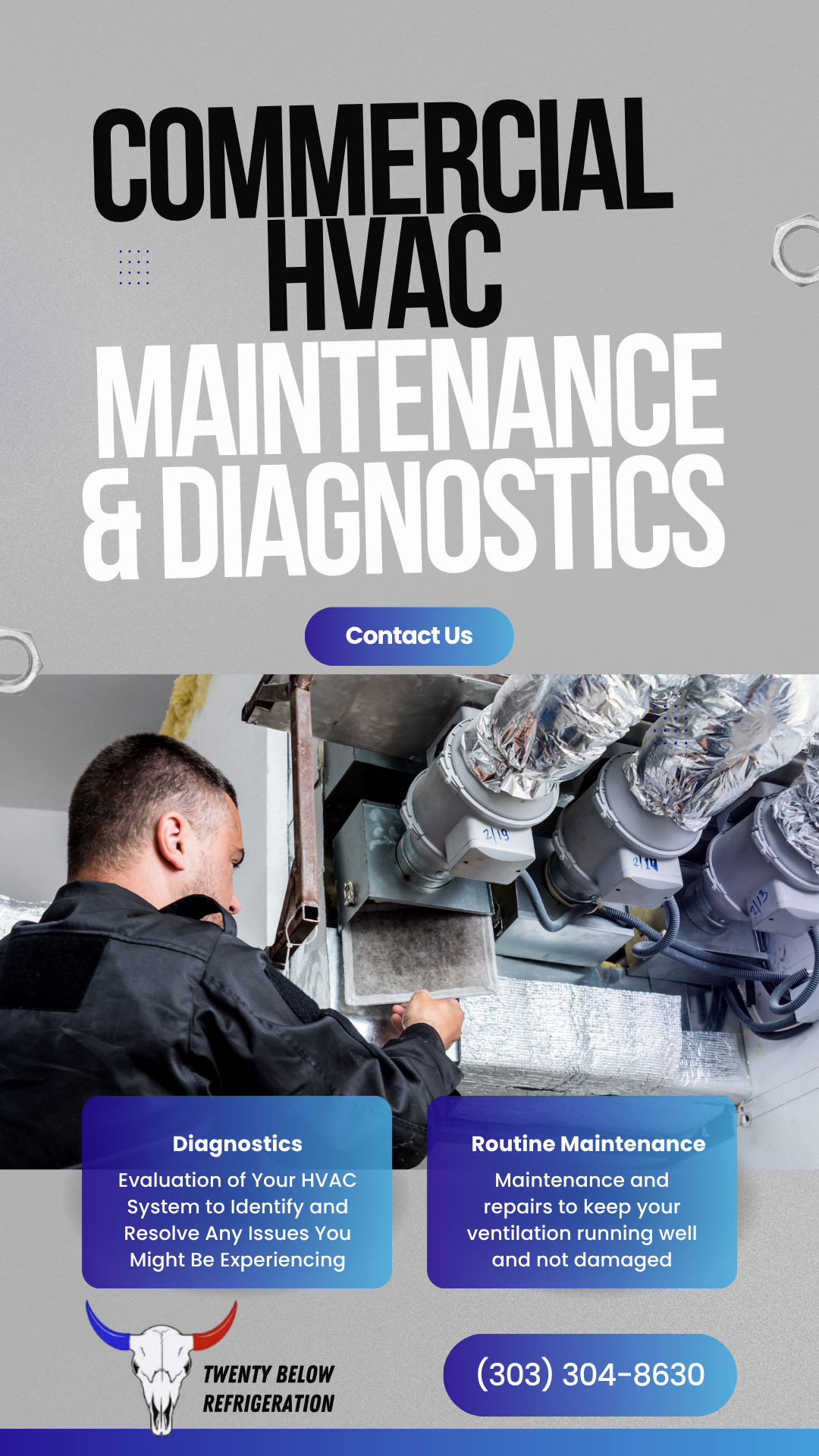
Preventative maintenance helps reduce that risk by giving technicians the opportunity to inspect, test, clean, and adjust equipment before a breakdown occurs. During a maintenance visit, a technician may check system pressures, inspect electrical components, clean condenser coils, test controls, review temperature performance, inspect fans, and look for signs of wear.
These steps help create a clearer picture of how the system is performing. If something looks off, it can often be addressed before it turns into a major repair.
For commercial and agricultural customers, that matters. Farms, processors, stores, and restaurants cannot always afford to wait days for repairs. Keeping equipment maintained helps avoid disruptions and gives business owners more control over their operations.
Maintenance Can Improve Energy Efficiency
A refrigeration system that is dirty, poorly calibrated, or struggling with airflow will often use more energy than it should. The system may run longer, cycle more often, or work harder to hold the correct temperature. Over time, that extra strain can show up in monthly energy bills.
Regular commercial refrigeration maintenance can help improve efficiency by keeping the system clean and properly adjusted. Clean coils allow heat to transfer more effectively. Proper airflow helps the system cool evenly. Tight door seals help prevent warm air from entering the cooler or freezer. Accurate controls help the equipment maintain temperature without overworking.
For businesses and farms watching operating costs, small improvements in efficiency can make a noticeable difference over time. Maintenance is not just about avoiding repairs. It is also about helping equipment run the way it was designed to run.
Consistent Temperatures Protect Product Quality
Temperature consistency is especially important in industries that handle food, dairy, meat, produce, or other temperature-sensitive products. Even small temperature swings can affect quality, safety, and shelf life.
In meat processing plants, reliable refrigeration helps support food safety standards and product integrity. In grocery stores, consistent cooling protects inventory in display cases, walk-in coolers, and storage areas. In restaurants, dependable refrigeration helps kitchen teams safely store ingredients and prepare for busy service periods. On dairy farms, cold storage tank performance plays an important role in helping maintain milk quality.
When refrigeration equipment is not maintained, temperature issues may become more common. A cooler may run warmer than expected. A freezer may develop excess frost. A tank may take longer to pull down temperature. These problems can put product quality at risk.
Routine maintenance helps keep systems stable and dependable, giving business owners more confidence in the equipment they rely on every day.
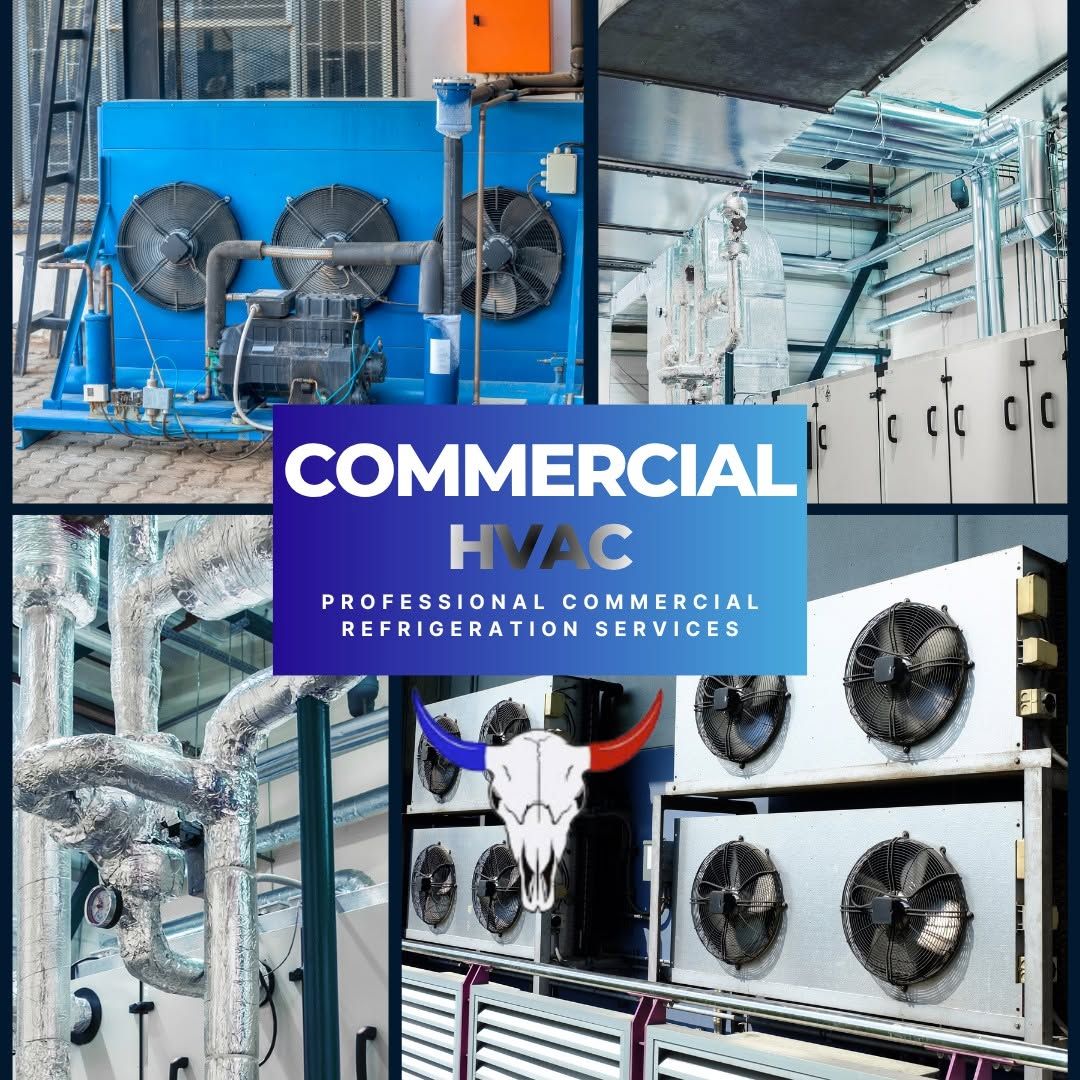
Protect Your Equipment Investment
Commercial refrigeration systems represent a significant investment. Like any major piece of equipment, they perform best when they are properly maintained. Waiting until something fails often leads to more expensive repairs and, in some cases, premature equipment replacement.
Routine maintenance helps extend the life of compressors, motors, fans, electrical components, and refrigeration controls by identifying normal wear before it becomes a major failure. Replacing a worn fan motor or repairing a loose electrical connection is often far less expensive than replacing an entire compressor or experiencing a complete system shutdown.
Businesses that prioritize preventative maintenance often enjoy longer equipment life, more predictable operating costs, and fewer unexpected service calls throughout the year.
Why Local Experience Matters
Colorado presents unique challenges for commercial and agricultural HVAC and refrigeration systems. Wide temperature swings, dusty environments, agricultural operations, and heavy seasonal workloads all place additional demands on refrigeration equipment.
Facilities across the Eastern Plains and Northern Colorado require technicians who understand the conditions local businesses face. Agricultural operations have different cooling requirements than grocery stores. Meat processors have different priorities than retail facilities. Every operation deserves solutions designed around how their equipment is actually used.
At Twenty Below, we work with customers across a variety of industries, including:
- Grocery stores
- Restaurants
- Meat processing facilities
- Dairy farms
- Agricultural operations
- Warehouses
- Commercial buildings
- Food storage facilities
Every service call begins with understanding your operation, identifying the root of the issue, and providing honest recommendations that fit your needs and budget.
What Does a Commercial Refrigeration Maintenance Visit Include?
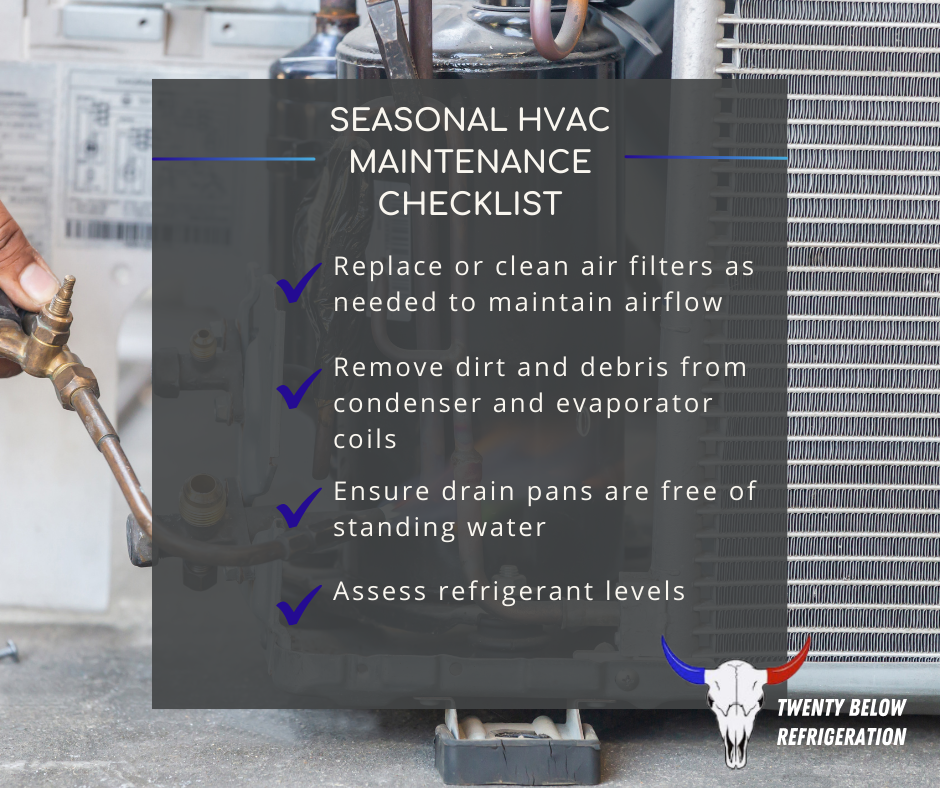
While every system is different, a typical maintenance appointment may include:
- Inspection of compressors and motors
- Checking refrigerant pressures and system performance
- Cleaning condenser coils
- Inspecting evaporator coils
- Testing electrical connections and components
- Verifying thermostat and control operation
- Inspecting door seals and gaskets
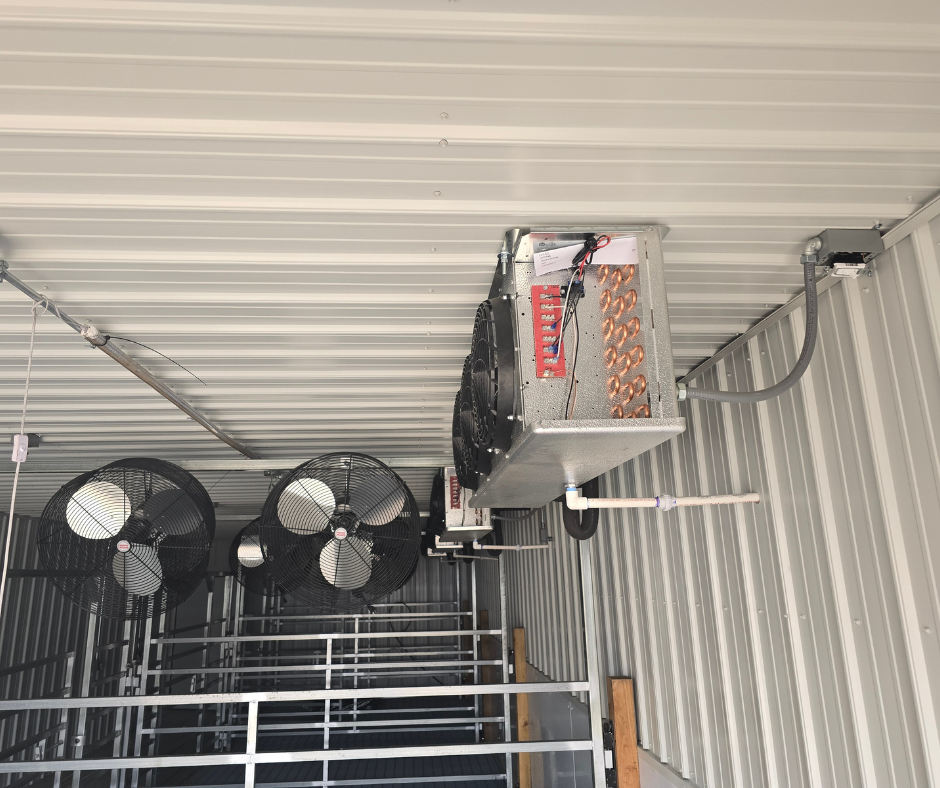
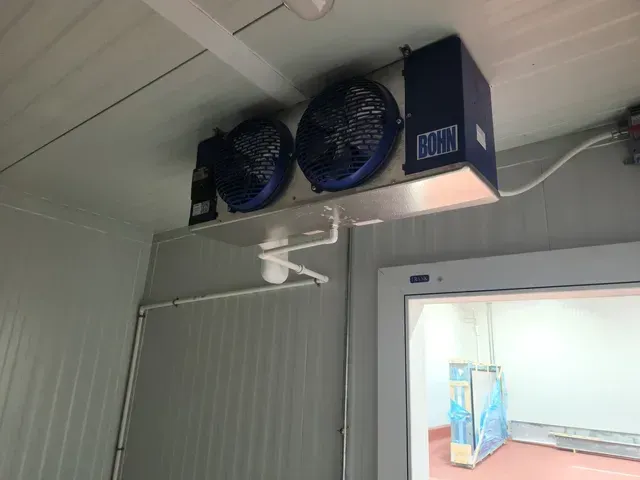
- Checking fans and airflow
- Reviewing operating temperatures
- Identifying signs of wear before failures occur
This proactive approach helps improve reliability while giving customers confidence that their refrigeration systems are prepared for daily operation.
Choose a Partner Who Understands Your Business
Commercial refrigeration is about much more than keeping equipment cold. It protects inventory, supports food safety, improves efficiency, and helps businesses continue serving their customers without interruption.
Whether you operate a grocery store, meat processing facility, dairy farm, restaurant, warehouse, or agricultural business, investing in routine commercial refrigeration maintenance is one of the most effective ways to protect your operation.
Since 2013, Twenty Below has proudly served businesses throughout Eastern Colorado and Northern Colorado with dependable commercial and agricultural HVAC and refrigeration services. Our team provides installation, preventative maintenance, diagnostics, and repair services designed to keep your equipment operating at its best.
Schedule Your Commercial Refrigeration Maintenance
Don't wait for an unexpected breakdown to discover your refrigeration system needs attention. Regular maintenance helps improve efficiency, reduce downtime, extend equipment life, and protect the products your business depends on every day.
If you're looking for experienced commercial refrigeration professionals serving Eastern Colorado and Northern Colorado, the team at Twenty Below is here to help.
Contact Twenty Below today to schedule your commercial refrigeration maintenance.
📞 303-304-8630
🌐 www.twentybelowzero.com